
In-ear analysis · Master · list record
64 Audio Aspire 4 Analysis
The 64 Audio Aspire 4 is a wired four-way in-ear. On the in-ear shortlist of 12 November 2026 it sits in the Master tier in rank 3 with a Vinyl BotPro index of 95 and carries no champion badge; the tier’s value badge sits with the 64 Audio Aspire 3.
In short
The 64 Audio Aspire 4 is a wired universal-fit in-ear with four drivers: one dynamic woofer, two balanced-armature midrange units and one balanced-armature tweeter. In this expansion it is intended as a candidate for the Master tier, because the documented euro price is €799 and the live list opens Master from about €600. This page does not set a Vinyl BotPro index; mapping onto the 85–97 band is for a later list package. No champion badge is being awarded.
Geoffrey Morrison described the model on 1 October 2024 for SoundStage! Solo in a listening review, then at a list price of $899. He simply says the Aspire 4s sound great: detailed but mellow treble, a surprisingly wide stage and warm bass, at home from electronic dance music to jazz and classical. The four drivers worked together in a relatively small shell, and drive remained easy even on an underpowered Sony NW-A306. His only complaint, which he himself calls minor, is the subdued look, not the sound.
At WOD Audio, the official distributor for Germany, Austria and Switzerland, the price on 12 November 2026 was €799.00 including VAT, previously €849.00, in stock. This analysis does not convert the review’s dollar price into euros and does not treat the shop price as identical to the historical list price. VinylCination has not listened to the Aspire 4 and has not measured it. All listening judgements come from that international magazine review, plus manufacturer and distributor data.
On a vinyl system the Aspire 4 is a low-impedance, sensitive wired in-ear with a 3.5 mm plug, a 6.35 mm adapter in the box and a braided, removable cable. The warm, powerful, treble-mellow balance the review describes remains at every source. The 48-inch cable (about 122 cm) can feel tight at an amplifier on the desk; at a sideboard it typically does not.
Technical data (public)
| Form | Wired universal-fit in-ear (UIEM) |
|---|---|
| Drivers | 1 dynamic woofer, 2 BA midrange, 1 BA tweeter (64 Audio / WOD) |
| Crossover | Integrated 4-way passive crossover (WOD) |
| Housing | ABS, stainless steel (WOD) |
| Impedance | 11 Ω at 1 kHz (WOD) |
| Sensitivity | 104 dB/mW at 1 kHz (WOD) |
| Frequency claim | 20 Hz–18 kHz (WOD) |
| Isolation | −20 dB (WOD) |
| Cable | Removable, braided, IPX, silver-coated; review: 48 in / about 122 cm, 3.5 mm |
| In the box | 12 tip options (four materials, three sizes, incl. Comply and silicone), case, cleaning brush, shirt clip, 3.5-to-6.35 mm adapter (review / WOD) |
| Price as documented | Review: $899; WOD Audio on 12 November 2026: €799.00 (previously €849.00) |
Amplifier compatibility
11 ohms at 1 kHz and 104 dB/mW sit in a range that typical headphone outputs will feed without strain. Morrison writes that the most surprising thing, given the number of drivers, was that the Aspire 4 was not difficult to drive; even from the wheezing amp in a Sony NW-A306 he reached an uncomfortably high volume. A dedicated amplifier is therefore not a requirement for playing the Aspire 4 loud enough.
As a four-way in-ear with a passive crossover and only 11 ohms, the source’s output impedance can influence the tonal balance more than it would with a higher-impedance single driver. On typical low-impedance headphone outputs of integrated amplifiers and small converters that often remains uncritical in practice; on very high-impedance outputs of older gear the balance can shift. This page does not measure that and does not derive a duty to buy a particular amplifier. More power will not turn the warm, treble-mellow balance Morrison heard into neutrality; it only makes the earphone louder.
The 6.35 mm adapter in the box makes it easier to attach the earphone to amplifiers with a large jack. The 48-inch cable typically reaches from the ear into a trouser pocket, but feels, according to Morrison, a bit limiting if the amplifier sits on or near the desk. On a vinyl system with the amplifier on a sideboard the length is usually enough; at a distant rack it is tighter.
Rating criteria in detail
The four subscores and the index of 95 stand in the list package of 12 November 2026 and are taken here as the list record. The method remains the same as on the existing headphone lists. The €799 price sits above the Master threshold of about €600. It carries no champion badge; the value badge sits with the 64 Audio Aspire 3 and the Sound badge with the Sennheiser IE 900. The Monarch MKIV no longer carries a badge.
Manufacturer and concept
64 Audio in Vancouver, Washington, has built custom in-ear monitors since 2010 and offers a universal line with the Aspire series. According to WOD, the Aspire 4 is the flagship of that series. The manufacturer text describes a tuning between studio accuracy and a stage contour: powerful bass, forward mids for voices and instruments, and shine in the treble. Those sentences are manufacturer claims, not a listening judgement from this page.
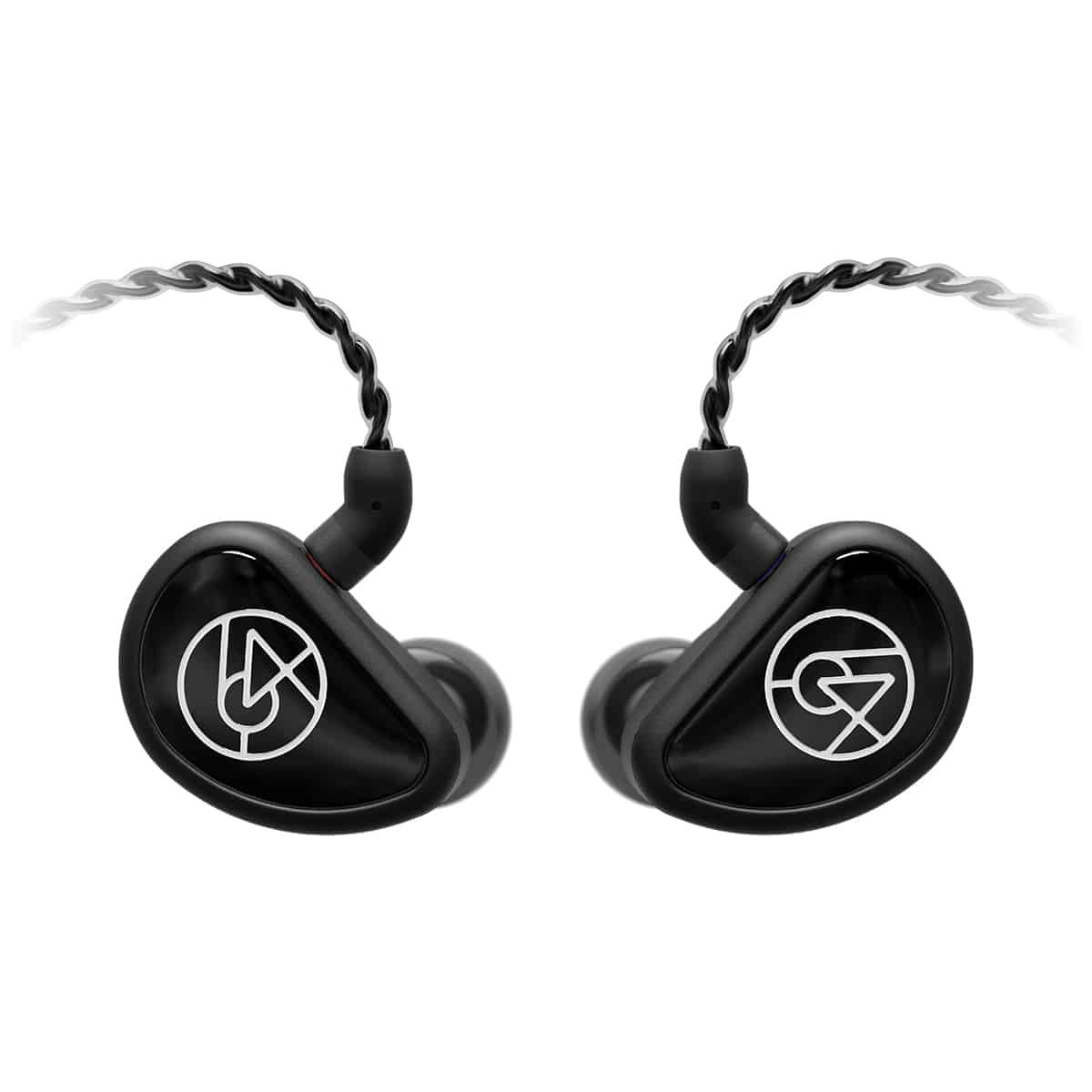
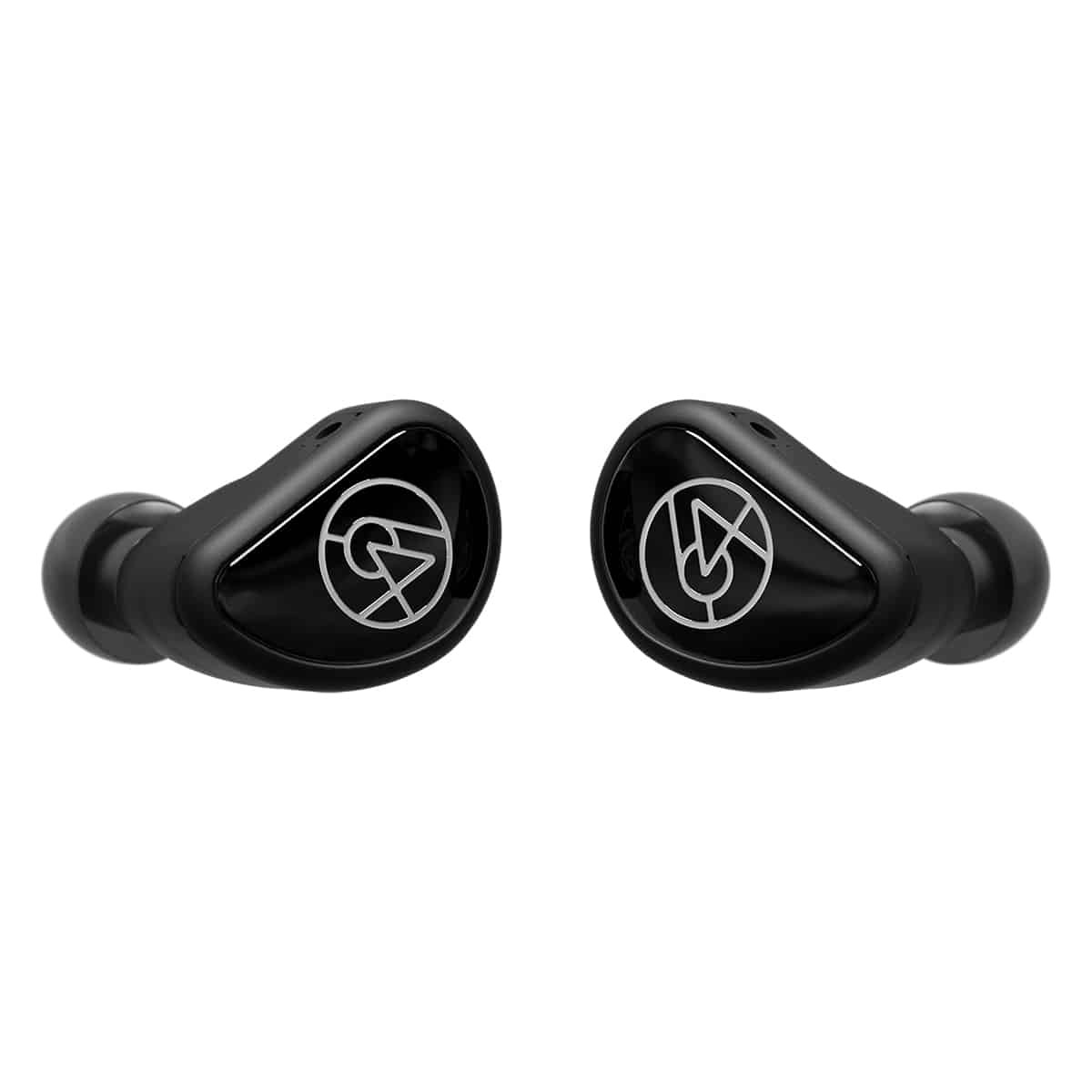
Morrison describes the look as subdued: black on black, only the silver logo as an accent, unassuming at first glance, but with four drivers inside a relatively small shell. That restraint is his only, self-described minor complaint: $900 is not a small sum, and a little more visual presence would not be unreasonable – at the same time, “unassuming” may be exactly what you want when walking around with expensive earphones. Other 64 Audio models have more flair, but cost a lot more. The Aspire 4 may be the least expensive universal-fit model in the line, but it is not cheap.
In Germany, Austria and Switzerland, WOD Audio distributes the model. The Aspire 4 is therefore current in German-speaking trade, not only as an overseas import.
How the technology works
A dynamic driver handles the low frequencies, two balanced-armature drivers the midrange, and a further BA the treble. An integrated four-way passive crossover divides the bands. Morrison went after exactly the question of whether those four drivers would play nicely together in the small enclosure. His answer is in the listening section: yes, with a smooth, powerful overall picture, without an obvious break between the ways being placed in the foreground.
In the box, according to the review, are twelve tip options – four materials in three sizes, including Comply foam and silicone. Morrison would have preferred four sizes and three materials, but expects most people to find a secure, comfortable fit. The case follows the black aesthetic; the braided, removable cable stays silent, according to the review, when it rubs against fabric – something a surprising number of companies overlook. A cleaning brush, a shirt clip and the 6.35 mm adapter complete the kit. WOD cites isolation of −20 dB; the actual figure depends on the fit.
The official packshots on this page show the earphone from two angles with the manufacturer logo. The pictures are for orientation and come from the distributor or manufacturer, not from a lifestyle scene.
What the international specialist press hears
Character
Morrison sums the Aspire 4 up briefly: they sound great. Detailed but mellow treble, a surprisingly wide stage, warm bass, at home in many genres. Acoustic instruments, guitars and pianos, had an inviting realism. On Dave Brubeck’s “Take Five” at Carnegie Hall the piano had a rich tone and seemed to appear well over the right shoulder; Paul Desmond’s alto kept its airy yet dark sound, and Joe Morello’s cymbals sat a little higher in the mix than usual, but not overly so, crisp without being biting or harsh.
Tonal balance
On Charli XCX’s “Guess” featuring Billie Eilish, a driving dance track with a lot of bass, the Aspire 4s, according to the review, handled the piece easily: extra bass, but very well controlled – punch, not boom. The vocals were not lost; when Eilish’s breathy voice arrived, it took centre stage and was not overwhelmed. A growly synth toward the end, practically a square wave, was aggressive but not annoyingly so. Somewhere between those is R.E.M.’s “Nightswimming”: the piano competed a little with Michael Stipe’s voice, and there was not quite as much air and space as on some other earphones, but overall it was well balanced – a warm, lovely listen, if a little mellow.
Dynamics, bass and stage
The review calls the stage surprisingly wide, the treble detailed yet mellow, the bass warm and controlled. Morrison would perhaps have liked a little more low bass, but finds plenty of bass in general for his tastes. Not quite as open-sounding as some other in-ears, but not dark. Against the Meze Rai Penta (then $1,099) on Jeff Buckley’s “Hallelujah”, the Meze had a bit more snap in the upper midrange and a little more sibilance; both are fairly mellow earphones overall, with a fair amount of bass. Morrison lightly prefers the Aspire 4, but would not argue with the opposite view; they are far closer in sound than their prices would imply, which he calls a win for 64 Audio. Against the Meze Advar (then $699, a single 10.2 mm dynamic driver) on Led Zeppelin’s “Over the Hills and Far Away”, the opening guitar sounded a bit smoother and more realistic on the Aspire 4, the Advar’s midrange was smoother and more balanced, and there was a bit more upper treble so Bonham’s cymbals had slightly more air; the Aspire 4 had more bass, though not so much that it was unbalanced with the mids and treble.
Strengths and limits
Strengths in the review: a smooth, powerful, enjoyable sound across many genres, controlled warm bass, mellow detailed treble, a wide stage, easy drive, a silent cable, generous accessories. Limits: subdued looks, not the greatest sense of openness, and a wish for a little more low bass, which Morrison himself treats as minor. The text of 1 October 2024 is a magazine listening review from SoundStage! Solo; for a later champion role that would be the right source class under t646u. This page does not award a badge, because the Master tier on the live list is already occupied and this entry does not yet carry an index.
Research consensus
Manufacturer data and the listening review form a clear picture. The Aspire 4 is a low-impedance four-way in-ear with a removable cable, easy drive and a warm, powerful, treble-mellow sound that the review praises across many genres. In Germany, Austria and Switzerland it costs €799; the review quoted $899. The suggested Master placement remains a task for the list package. Those sentences are a consensus of the sources in hand, not an in-house listening judgement.
Features and daily use
Twelve tip options, a case, a brush, a clip and a jack adapter make daily use easier than is a given even at this price. Morrison describes the over-ear fit as quite comfortable. Anyone using the Aspire 4 at the system watches the seal, because isolation and bass depend on it, and plans for cable length if the amplifier is not close by. The braided cable stays silent on fabric, according to the review; that is more practical in a chair with wool or cotton than a noise-prone smooth cable.
Price and availability
The review quoted a $899 list price and a two-year manufacturer warranty. On 12 November 2026 the price at WOD Audio was €799.00 including VAT, previously €849.00, in stock, with free shipping from €49. The shop markup included a priceValidUntil of 31 December 2027; that is a shop statement, not a promise from this page. This analysis uses the documented euro price and does not convert the dollar figure. Whether the selling price later returns to €849 changes; the current shop price is what counts. The model is available through the official German-language distributor. WOD notes hygiene limits on returns after opening; statutory rights remain.
At the amplifier and on a vinyl system
On a phono chain the Aspire 4 hangs from the 3.5 mm jack or, with the adapter, from the 6.35 mm jack after the phono stage. 11 ohms and 104 dB/mW make it an easy partner for typical outputs. The warm, powerful balance from the review remains the same on an expensive phono preamp as on a player. Anyone playing records that already have a strong foundation – electronic reissues or bass-heavy rock, for example – at a high level meets the situation in which Morrison describes extra bass, but controlled. A different amplifier does not turn that into neutrality.
The roughly 122 cm cable is typically long enough for a chair in front of the sideboard, and rather tight for a distant amplifier – exactly the reservation Morrison records for the desk. Isolation of −20 dB according to the manufacturer helps keep the level moderate in a living room, provided the fit seals. The review does not put especially high isolation, of the kind some stage monitors claim, at the centre; sound and a comfortable fit come first.
In the same review corpus stand the Final A5000 and, as a comparison in the Aspire text, the Meze Advar. The Advar sits closer to the Expert/Master border and will receive its own page in a later batch only if EU sale and a pillar are confirmed. An index comparison is not made here.
Anyone running the Aspire 4 from a typical integrated amplifier with a jack should first change tips before attributing a warm bass balance to the electronics. Morrison describes exactly that warmth as a property of the tuning. More volume does not make the Aspire 4 more neutral, only louder. On very high-impedance older outputs the low impedance can load the crossover differently; a short listening comparison on a familiar track shows that faster than speculation about output impedances.
Who is the Aspire 4 for?
The Aspire 4 suits listeners who want a wired four-way in-ear with a documented magazine review and who are planning €799. It fits a vinyl system that already has a jack, if a warm, powerful, treble-mellow balance is welcome. It fits less well if you put maximum openness, a showy shell or especially deep sub-bass in the foreground – exactly the quiet reservations the review itself makes. Until the list package it remains without an index and without a badge, and it does not take the place of the Master models already on the list.
How it compares
In the twenty-one-model Master tier the model above it is the Meze Advar (rank 1, index 97, no badge); below it sit the 64 Audio Aspire 3 (rank 2, index 96, value badge), the Meze Astru, the Shure SE846 Gen 2, the Campfire Audio Andromeda 10, the THIEAUDIO Monarch MKIV (no badge), the Sennheiser IE 900 (Sound badge), the Sennheiser IE 600, the Westone MACH 60, the Campfire Audio Grand Luna and the Westone MACH 80. Morrison compares it with the Meze Rai Penta and the Meze Advar, not with the models already listed. In this batch the Sennheiser IE 200, the Final A5000 and the Westone Pro X10 sit clearly below in price and in other suggested tiers. A shared index is not formed here.
FAQ
What exactly is the 64 Audio Aspire 4?
A wired universal-fit in-ear from 64 Audio with four drivers (1 dynamic woofer, 2 BA midrange, 1 BA treble), 11 ohms, 104 dB/mW and a price that stood at €799.00 at WOD Audio on 12 November 2026.
Does the Aspire 4 need a headphone amplifier?
According to the data sheet and the review, no. Morrison reached an uncomfortably high volume even on a Sony NW-A306. A dedicated amplifier is not a requirement.
Is it suitable for listening to records?
As a wired in-ear with a 3.5 mm plug and a 6.35 mm adapter, yes. The review describes a warm, powerful, treble-mellow tuning across many genres. Fit, seal and the somewhat tight cable length at a distant amplifier matter more in practice than an expensive extra amplifier.
What does the Aspire 4 cost?
At WOD Audio, the official distributor for DE/AT/CH, the price on 12 November 2026 was €799.00 including VAT (previously €849.00). The review quoted $899. This page does not convert the amounts into each other. Prices change, without guarantee.
Does this page rest on a listening test by the VinylCination team?
No. There was no in-house listening test and no measurement of our own. The assessment draws on 64 Audio and WOD Audio data and the international SoundStage! Solo listening review (Geoffrey Morrison, 1 October 2024).
Conclusion
The 64 Audio Aspire 4 is a clearly documented four-way wired model with a magazine review that describes a smooth, powerful sound that is enjoyable across many genres, easy drive, and, as a minor weakness, mainly the subdued look. The EU price of €799 sits in the Master tier. The list record of 12 November 2026 is Master rank 3, index 95, with no champion badge. Anyone who wants a warm, controlled, bass-rich tuning at a vinyl system will find a solid source base here. Anyone who expects a badge or a place among the Master models already on the list will wait for the list package.
About this AI analysis
This section is an AI summary of a published international magazine listening review and of 64 Audio and WOD Audio data. Vinyl BotPro places the findings; VinylCination does not carry out its own listening tests or measurements, and all sources are linked at the end of the page. Prices and availability change (as of 12 November 2026, without guarantee). A list index will be awarded only in a later list package.