
In-ear analysis · Expert · list record
Final A5000 Analysis
The Final A5000 is a wired single-driver in-ear from Final (S’Next). The documented EU price of €299 sits in the Expert tier. On the in-ear shortlist of 12 November 2026 it stands in rank 16 with a Vinyl BotPro index of 71 and carries no champion badge.
In short
The Final A5000 is a wired in-ear with a single in-house dynamic driver. In this expansion it is a candidate for the border between Premium and Expert, because the documented EU price is €299. This page does not set a Vinyl BotPro index; tier placement and mapping onto a band are for a later list package. No champion badge is being awarded.
Final (S’Next, Japan) describes the A5000 as a model with the self-developed f-Core DU driver, an ABS shell with a Shibo surface, a silver-coated OFC cable with a 2-pin connector, 18 ohms, 100 dB/mW, 28 g and a 1.2 m cable. Geoffrey Morrison described the model on 1 November 2024 for SoundStage! Solo in a listening review. He calls the sound bright and energetic, like a treble lift of about two notches, the treble clean rather than harsh, the bass controlled and the fit exceptionally comfortable. At a list price of $279 he finds the tuning niche in a crowded market; below $250 he would recommend the A5000 more readily.
In European trade the price on 12 November 2026 was €299.00 (among others allsound.at, with EU-responsible Audio Tuning Vertriebs GmbH in Vienna; idealo.de from €299). This analysis does not convert the review’s dollar price into euros. VinylCination has not listened to the A5000 and has not measured it. All listening judgements come from that international magazine review, plus manufacturer data on snext-final.com.
On a vinyl system the A5000 is a light, easy-to-drive 18-ohm wired in-ear with a 3.5 mm plug. The bright tuning the review describes remains at every source; an expensive amplifier does not make it neutral. Tips and seal decide bass and long-session comfort.
Technical data (public)
| Form | Wired in-ear, universal fit |
|---|---|
| Product code | FI-A5DPLD (Final) |
| Driver | Single dynamic driver, f-Core DU, developed in-house (Final) |
| Housing | ABS, Shibo surface (Final / review) |
| Impedance | 18 Ω (Final) |
| Sensitivity | 100 dB/mW (Final) |
| Weight | 28 g (Final; manufacturer figure, likely including the cable or both sides) |
| Cable | 1.2 m, silver-coated OFC, 2-pin, 3.5 mm (Final) |
| In the box | Five pairs of silicone tips XS–XL, silicone case, cable holders (review) |
| Price as documented | Review: $279; EU trade on 12 November 2026: €299.00 |
Amplifier compatibility
18 ohms and 100 dB/mW sit in a range that typical headphone outputs, dongles and small converters will feed without strain. The review mentions no drive weakness; Morrison listened, among others, on a Schiit Magni, a HiFiMan EF400, a Sony NW-A306 and a smartphone. A dedicated amplifier is therefore not a requirement for playing the A5000 loud enough.
As a single driver without a crossover, the A5000 is less sensitive to output impedance than a low-impedance multi-way in-ear. On a vinyl system with an integrated amplifier or a phono stage with a jack that is uncritical. More amplifier power will not turn the treble-forward balance Morrison heard into neutrality; it only makes the earphone louder and, on a better source, more transparent. Anyone who finds the treble too present will find the answer in the tuning itself, not in a different amplifier.
The 1.2 m cable typically reaches from the ear to an amplifier on a sideboard. The 2-pin connector allows a cable swap; this analysis claims no sonic gain from aftermarket cables.
Rating criteria in detail
The four subscores and the index of 71 stand in the list package of 12 November 2026 and are taken here as the list record. The method remains the same as on the existing headphone lists. The €299 price sits in the Expert frame (about €250–600). It carries no champion badge.
Manufacturer and concept
Final is a Japanese brand of S’Next in Kawasaki. The A5000 belongs to the A series and, according to the manufacturer, uses an evaluation method that originated with the A8000 flagship. The f-Core DU driver is said to have been developed in-house, including parts and production equipment. Final speaks of a transparent sound in which distant and finer mid and low tones remain audible. Those sentences are manufacturer claims, not a listening judgement from this page.
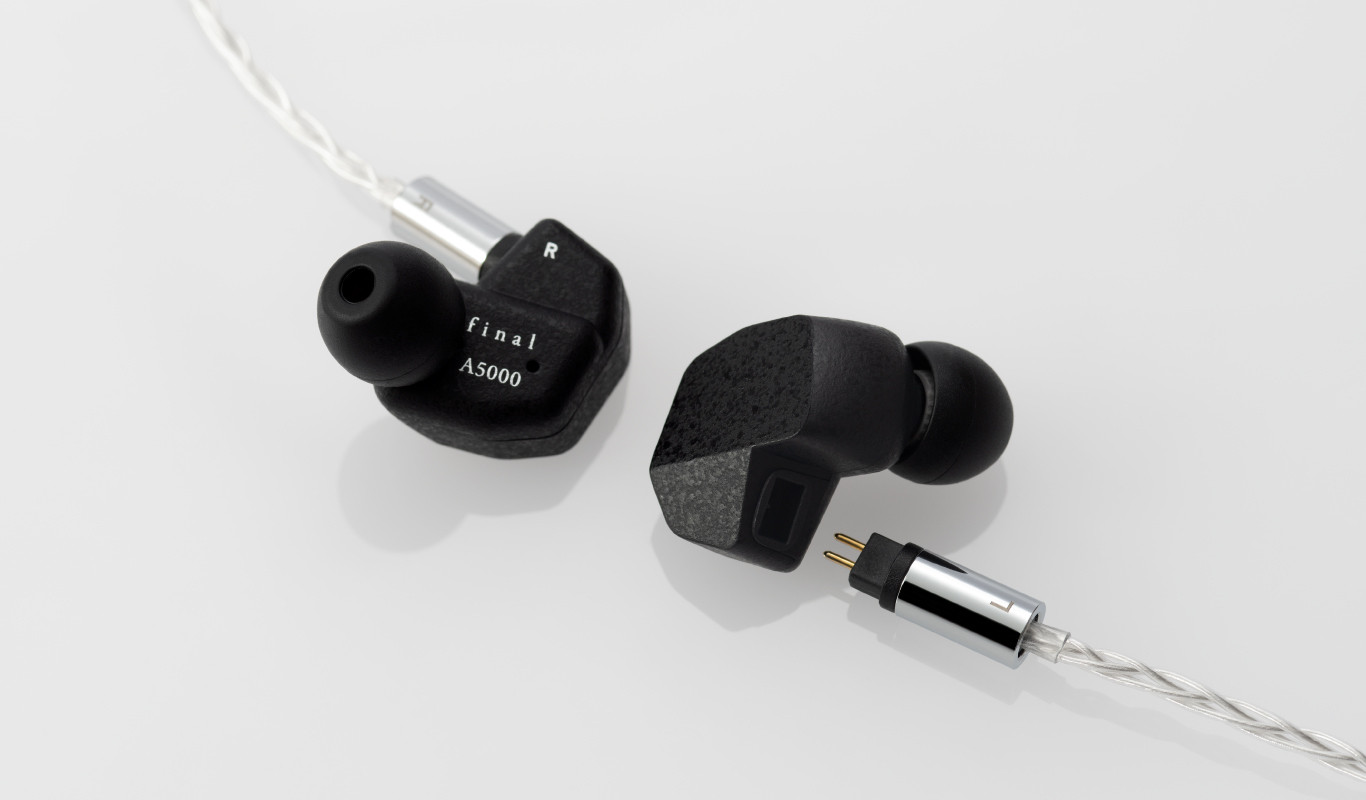
The look is deliberately unobtrusive: a squarish black shell with a textured Shibo surface, on the official packshot with the lettering “final A5000” and an R mark. Morrison describes the shape as pleasantly angular, like an 8-bit yet designed silhouette, the opposite of flashy, and the fit as exceptionally comfortable. The silver-coated, soft braided cable, the review says, gives this more affordable A-line model a slightly more luxurious feel.
In Europe, Audio Tuning Vertriebs GmbH in Vienna appears as the responsible party; shops such as allsound.at list the A5000 at €299. The model is therefore current in EU trade, not only as an overseas import.
How the technology works
A single dynamic driver covers the listening range. SoundStage! Solo cites 6 mm; Final’s publicly scraped product page names the f-Core DU driver without that millimetre figure. This analysis records both statements and does not insert a measurement of its own. The principle matters: no electrical crossover, one chamber, a 2-pin cable.
In the box, according to Morrison, are five pairs of silicone tips from XS to XL in their own tray – the extremes are only marginally smaller or larger than typical S and L sizes, but more options are always welcome. The silicone case is two curved shells that nest and are meant to keep the earphones still. Extra silicone cable holders route the cable over the ear. The review describes a very light fit that settles into the concha, and a soft cable that stays pleasant on the skin.
28 g as a manufacturer figure seems high for a single earpiece; it is probably the weight of both sides or inclusive of the cable. Morrison expressly calls the A5000 extremely light. This page does not convert the figure; it leaves both statements side by side.
What the international specialist press hears
Character
Morrison describes a bright, energetic sound with a hint of bass so the picture does not tip: like an equaliser with treble at “plus two”, the treble clean rather than harsh. On Smooth Hound Smith’s “Life Isn’t Fair”, guitars, banjo, harmonica and drums sounded snappy without biting. The author often dislikes extra treble, yet found it tolerable here, with less sibilance than the treble lift would suggest, and a wide stage that spread past the shoulders.
Tonal balance
The bass, he writes, is recessed relative to the treble but present and controlled, without overrunning the mix – for example on Air’s “All I Need”. The A5000 can seem bassier than it is because the treble is so present. Morrison treats the tuning as niche: it offers neither the neutrality many demanding listeners seek nor the bass lift a wider audience often expects. The sound is good, but in a crowded field around $300 it does not, in his view, justify the price with a clear quality jump that would also outweigh the cable against wireless models.
Dynamics, bass and stage
The stage, the review says, is wide. The bass stays controlled, not weighty. Compared with the Westone Pro X10, which Morrison had described earlier, the A5000 sounded more even overall, while the X10 showed some midrange instruments to better advantage; guitars on the A5000 had less growl, but deeper bass notes. Against the planar-magnetic Sivga Nightingale he found the A5000’s treble more pleasant, less sharp, and reached for the Final when he did not want to turn the volume down.
Strengths and limits
Strengths in the review: very high comfort, clean, non-aggressive treble despite the lift, controlled bass, a wide stage, thoughtful accessories. Limits: a niche, treble-forward balance, a list price Morrison questions in this class, and the explicit recommendation to buy closer to under $250. The text of 1 November 2024 is a magazine listening review from SoundStage! Solo; for a later champion role that would be the right source class under t646u. This page does not award a badge.
Research consensus
Manufacturer data and the listening review form a clear picture. The A5000 is a comfortable, easy-to-drive single-driver in-ear with in-house driver development, a 2-pin cable and a bright, energetic sound that the review describes as clean but niche. In the EU it costs €299; the review quoted $279. The border between the suggested Premium and Expert bands remains a task for the list package. Those sentences are a consensus of the sources in hand, not an in-house listening judgement.
Features and daily use
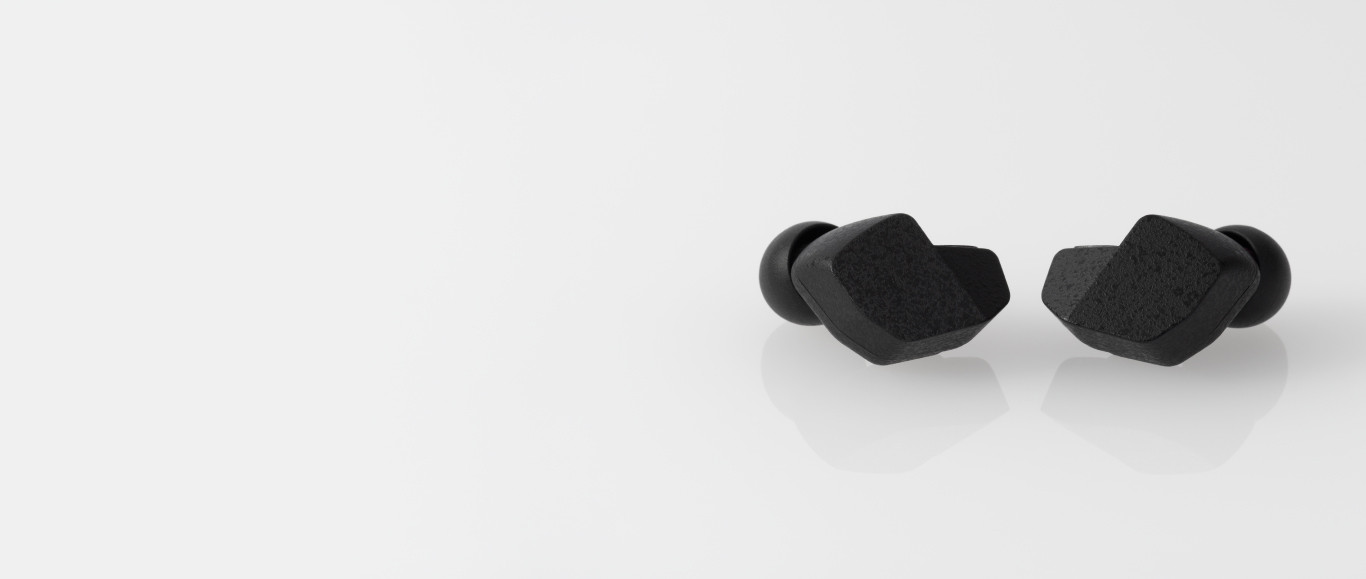
Five tip sizes, an unusual silicone case and cable holders make daily use easier than the price alone would suggest. The official manufacturer photo on this page shows both earphones on a light background, the left side with a readable “final A5000” model name and an R mark, plus the 2-pin cable; a second manufacturer image shows the textured shells from the back. The pictures are for orientation.
Morrison reports a secure fit even with the small tip size that many other brands would treat as medium. Long-session comfort is a central argument of the review. Anyone using the A5000 at the system routes the soft cable over the ear and watches the seal, because a bright tuning can quickly sound thin if the fit leaks.
Price and availability
The review quoted a $279 list price and recommended buying closer to under $250. On 12 November 2026 the price in EU trade was €299.00. This analysis uses the documented euro price and does not convert the dollar figure. Whether individual dealers go lower changes; the current shop price is what counts. The model is available through European distribution, not only through imports. The review mentions a one-year manufacturer warranty; statutory rights in the EU remain separate.
At the amplifier and on a vinyl system
On a phono chain the A5000 hangs from the 3.5 mm jack after the phono stage. 18 ohms make it an easy partner. The bright balance from the review remains the same on an expensive phono preamp as on a player. Anyone playing records that are already present – strings, cymbals, brightly cut vocals – at a high level meets exactly the situation in which Morrison describes the treble as plus two. Then another tip, a slightly lower level or a different in-ear helps more than a different amplifier.
Anyone running the A5000 from a typical integrated amplifier with a jack should first leave the volume mid-way and change tips before attributing the tuning to the source. Morrison describes the treble as a deliberate balance, not as an electronics fault. On a phono chain with already luminous tracking – brightly cut jazz records, or string sessions with a lot of bow – that same balance remains. An expensive phono preamp does not change it. Anyone who turns the level down in those moments follows the same logic with which Morrison set the Sivga Nightingale aside in favour of the A5000: better to keep the treble tolerable than to restrict the volume all the time.
The Shibo surface is not mere decoration. Final, in its own description, uses it so the shell feels less slick and less slippery in the hand and in the ear. Morrison confirms the secure, light fit without making the surface itself the main topic. For daily use at the system that mainly means the in-ear does not need to be reseated after a few minutes. That is a practical argument that holds independently of the tonal balance and comes out more clearly in the review than the price debate.
That Morrison questions the list price in a crowded field belongs in this analysis, because it supports the placement at the tier border. €299 in the EU sits above the review’s “closer to under $250”, without this page converting the dollar price or assuming a discount. The review remains the source for the sonic description, the shop price the source for the buying situation in Germany and Austria. Both stand side by side, without an index or a badge arising from them.
The 1.2 m cable is typically long enough for a chair in front of the sideboard. The review describes the soft braid as pleasant on the skin; it does not contain a strong complaint about cable noise. Passive isolation only goes as far as the fit allows. The review does not put especially high isolation at the centre, unlike comfort.
In the same SoundStage! Solo corpus stands the Westone Pro X10, which also receives an analysis in this batch. Morrison found the A5000 more even overall, the X10 more advantageous in some midrange. An index comparison between the two is not made here until a list package calculates the tier.
Who is the A5000 for?
The A5000 suits listeners who want a comfortable, brightly tuned wired in-ear with a documented magazine review and who are planning €299. It fits a vinyl system that already has a jack, if the treble balance is welcome or at least acceptable. It fits less well if you want neutrality or a strong bass lift, or if you consider the price high in a field with many alternatives – exactly the reservation the review itself makes. Until the list package it remains without an index and without a badge.
How it compares
In the nine-model Expert tier the models above it are the Campfire Audio Iris (rank 1, index 84, Sound badge), the Westone MACH 30 (rank 17, index 70, no badge) and the Westone MACH 20 (rank 16, index 71). The A5000 closes the tier at index 71 with no badge. Morrison compares the A5000 with the Westone Pro X10 and the Sivga Nightingale; he found the Sivga less pleasant in the treble, the X10 more advantageous in some midrange, the A5000 more even overall. The Sennheiser IE 200 sits clearly below at €149.90 and has a different, What Hi-Fi?-described clear, rich and weighty balance. The shared index is in the list package: the Pro X10 in Premium, the A5000 in Expert..
FAQ
What exactly is the Final A5000?
A wired in-ear from Final (S’Next, Japan) with a single dynamic f-Core DU driver, an ABS shell, a 2-pin cable and a list price that stood at €299 in EU trade on 12 November 2026.
Does the A5000 need a headphone amplifier?
According to the data sheet and the review, no. 18 ohms and 100 dB/mW are enough for typical outputs, dongles and small converters. A dedicated amplifier is not a requirement.
Is it suitable for listening to records?
As a wired in-ear with a 3.5 mm plug, yes. The review describes a bright, energetic tuning; on already present record cuts the treble can become obvious. Fit and seal matter more than an expensive amplifier.
Which tier does the A5000 belong in?
The euro price of €299 sits in the Expert frame. The list record of 12 November 2026 is Expert rank 16, index 71, with no champion badge.
Does this page rest on a listening test by the VinylCination team?
No. There was no in-house listening test and no measurement of our own. The assessment draws on Final’s manufacturer data and the international SoundStage! Solo listening review (Geoffrey Morrison, 1 November 2024).
Conclusion
The Final A5000 is a comfortable, clearly documented wired model with in-house driver development and a magazine review that describes a bright, clean, but niche tuning. The list record of 12 November 2026 is Expert rank 16, index 71, with no champion badge. Anyone who welcomes the treble balance and wants the comfort will find a solid source base here. Anyone who expects neutrality, more bass or the tier’s badge should read the comparison with the Iris and the MACH 30 in the list package.
About this AI analysis
This section is an AI summary of a published international magazine listening review and of Final’s own data. Vinyl BotPro places the findings; VinylCination does not carry out its own listening tests or measurements, and all sources are linked at the end of the page. Prices and availability change (as of 12 November 2026, without guarantee). A list index will be awarded only in a later list package. The manufacturer cites 28 g, the review describes the A5000 as extremely light – both figures remain side by side.