
Bookshelf speaker · Short analysis · Premium, rank 15
Audio Physic Classic 3 Review
Short analysis (research): Compact 2-way bookshelf speaker from Brilon, 89 dB, 4 Ω — output model, residual stocks — specs/retailer prices, no listening test.
Summary
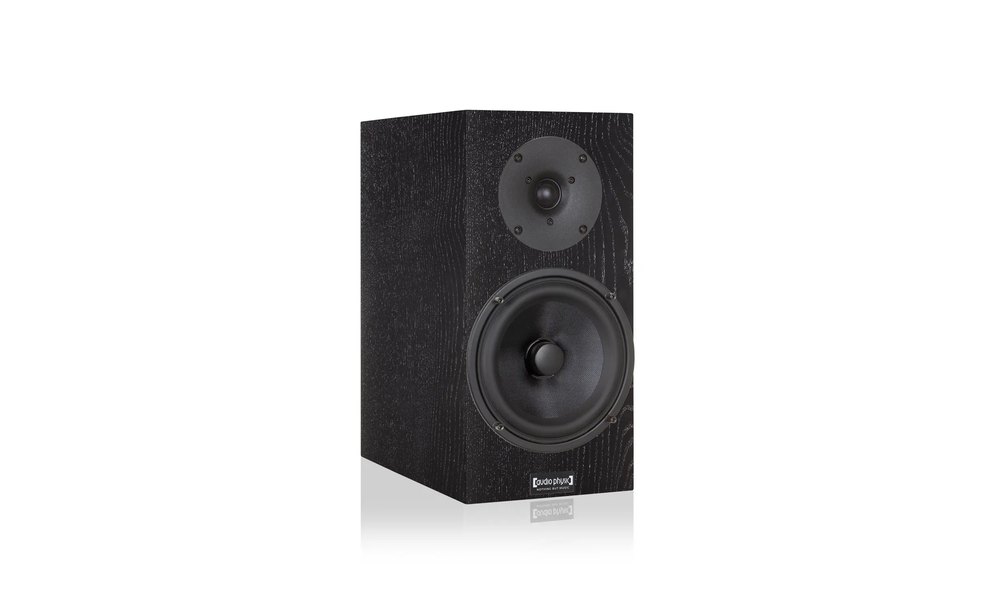
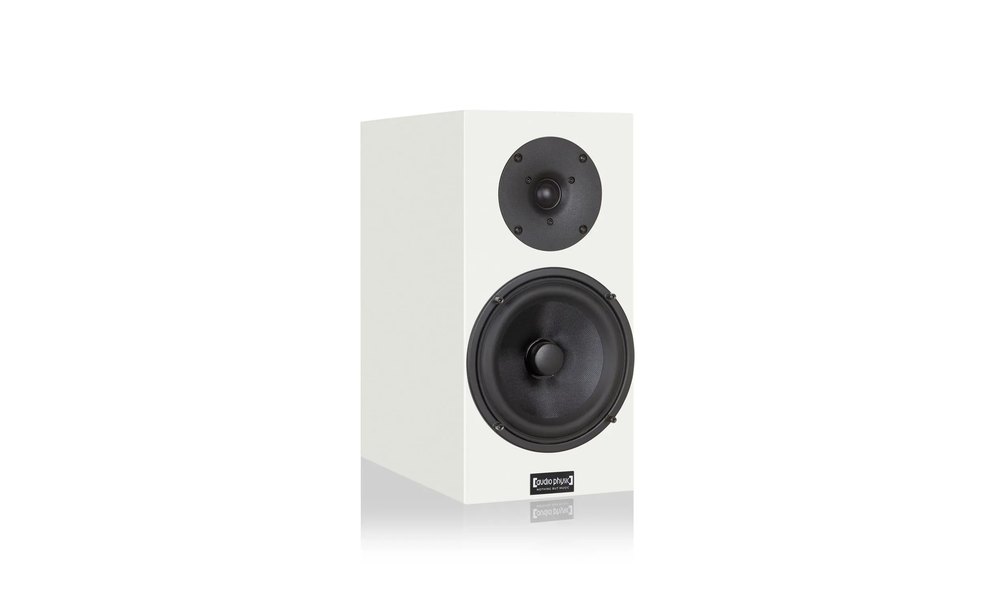
The Classic 3 by Audio Physic (Brilon, Sauerland) is a 2-way bookshelf speaker with 22-mm dome and 170-mm fiber-deep midrange driver, 45 Hz–30 kHz, 89 dB, 4 Ω, recommended 20–120 W. The manufacturer carries them out as ; there are only remaining stock to the MSRP of €1,590 per pair. For interested parties, this means: to clarify availability and price in advance with the retailer, no claim to post-delivery.
Assumptions
- MSRP-price per pair according to manufacturer, residual stocks
- Stand setup
- Amplifier 20–120 W to 4 Ω
- No measurements or listening tests of our own
Specs (public / manufacturer)
| Type | 2-way bookshelf speaker · Phase-out model |
|---|---|
| Sensitivity | 89 dB |
| Impedance | 4 Ω |
| Rec. Amplifier power | 20–120 W |
| Frequency range | 45 Hz–30 kHz |
| Chassis | 22 mm dome · 170 mm Fiber-optic low-midrange driver |
| Dimensions / weight | H 35 × B 17 × T 28.5 cm · approx. 7 kg each (manufacturer figure) |
| Price guide | approx. €1,590/pair (MSRP, residual stocks) · Sept 2026 |
Manufacturer specifications (Audio Physic)
| Type | 2-way bookshelf speaker · Phase-out model |
|---|---|
| Sensitivity | 89 dB |
| Impedance | 4 Ω |
| Rec. Amplifier power | 20–120 W |
| Frequency range | 45 Hz–30 kHz |
| Chassis | 22 mm dome · 170 mm Fiber-optic low-midrange driver |
| Dimensions / weight | H 35 × B 17 × T 28.5 cm · approx. 7 kg each (manufacturer figure) |
Source: Audio Physic – official specifications · As of 16 October 2026 · subject to change by the manufacturer
Matching tips
- Suits: Looking for a remaining stock bargain from a DACH brand
- Suits: Small to medium rooms
- Suits: amplifier with 4-Ω stability
- Less suited: Buyers who expect replacement/post-delivery
- Less suited: Who compares current models (check new edition)
- Less suited: Very weak amplifier
Vinyl BotPro Index: 56 (Premium 55–69) · Label: AI research · Sept 2026 · All information is provided without guarantee; prices change and manufacturer specifications may differ.
Manufacturer and concept
Audio Physic is a German loudspeaker maker based in Brilon in the Sauerland region. The brand is known for narrow cabinets, very spacious imaging and its own driver technology in the Reference series. The Classic series is the more affordable line and, according to HiFiReport, focuses on value for money. The Classic 3 is its smallest model and the only bookshelf speaker in the series; the other Classic models are floorstanders.
Important for buyers: Audio Physic lists the Classic 3 as discontinued. Only remaining stock is available through specialist dealers, at a list price of €1,590 per pair. If you are interested, check availability and finish with the dealer first.
The technology explained
Narrow baffle
According to the manufacturer, the Classic 3 is 35 cm tall, 17 cm wide and 28.5 cm deep, and weighs about 7 kg per speaker. A narrow baffle is typical of Audio Physic: according to HiFiReport, the mid-bass driver's frame is as wide as the front itself. A narrow front reduces diffraction at the cabinet edges. These effects occur when sound bends around the edges and overlaps with the direct sound. Less diffraction means more precise placement of instruments.
Drivers
The tweeter is a 22 mm dome. According to HiFiReport, it is a silk dome in a shallow horn-shaped waveguide intended to improve off-axis dispersion. The mid-bass driver measures 170 mm and has a glass-fibre cone. HiFiReport describes a cylindrical element at its centre that acts as phase plug and dust cap, derived from the HHCM technology of the pricier series. For a bookshelf speaker, a 170 mm mid-bass driver is fairly large, which benefits the bass.
Bass reflex and terminals
The Classic 3 is a bass-reflex design. According to HiFiReport, the port is a single piece of low-resonance plastic with a rounded flare to reduce turbulence noise; according to Consound, it sits on the rear. As usual with Audio Physic, there is only one pair of terminals, so no bi-wiring.
What the specifications mean
Audio Physic quotes 45 Hz to 30 kHz, 89 dB sensitivity and 4 Ω impedance, and recommends amplifiers of 20 to 120 W. 89 dB is a good figure for a bookshelf speaker. The 4 Ω impedance calls for an amplifier that is stable into low loads. The reviewers at HiFiReport and Consound had no problems, though: Consound reports reaching decent levels even with an 11-watt valve amplifier.
Sound according to international reviews
HiFiReport describes a sound that is both comfortable and precise, with clear imaging, excellent spatial performance and effortless dynamics. The bass surprised the reviewers most: deep organ notes were reproduced cleanly and stably, and the speaker sounded larger than its size suggests. Piano sounded warmer than usual, strings slightly dry but full of character. Even at high volume, the speaker did not sound strained. The verdict: despite its entry-level position in the range, according to HiFiReport the Classic 3 performs well above its price class.
Consound from Italy highlights above all the width and depth of the soundstage and the wealth of detail. According to Consound, the speakers disappear very well as sound sources, and the bass reaches very deep for the cabinet volume. One reviewer initially found the sound rather analytical and cool; after some hours of running in, it became noticeably more balanced. Consound recommends amplifiers that are not cool-sounding but bring body and presence. We did not carry out our own listening or measurement tests; this assessment is based on these sources and the manufacturer's data.
The Classic series at a glance
According to HiFiReport, besides the Classic 3 the Classic series includes the floorstanders Classic 8, Classic 15, Classic 25 and Classic 35, plus a centre, an on-wall speaker and the Luna subwoofer. The names follow a simple scheme: the higher the number, the larger the model. That allows both a stereo system and a home cinema from one series. Because the Classic 3 is discontinued, check which models in the series are still available if you plan to expand later.
Above the Classic series sits the Reference series, with proprietary drivers and more elaborate cabinets. Many Reference ideas, such as the narrow baffle and the phase plug design, appear in simplified form in the Classic 3.
Room size and listening distance
The Classic 3 suits rooms up to about 25 m². Consound listened in a well-treated room of about 8 × 4.5 metres from around 1.5 metres away, which is relatively close. A short listening distance plays to the speaker's strengths: imaging and detail come across especially well, and the room has less influence on the sound. In larger rooms or at long listening distances, a bookshelf speaker reaches its limits sooner at high levels; a floorstander from the series or a subwoofer is then the better choice.
Placement
The Classic 3 is a stand-mount speaker. With its port on the rear, it needs some distance from the back wall, or the bass may become too thick. Consound placed the speakers about a quarter of the room length from the front wall, around 80 cm from the side walls and clearly toed in towards the listening seat. That is a good starting point. The tweeters should sit at about ear height; stands of 60 to 70 cm usually work.
Because Audio Physic places particular emphasis on spatial sound, careful alignment pays off: even small changes in toe-in alter the width and focus of the soundstage. Nearby side walls should not reflect harshly; a shelf, curtain or plant at the reflection point helps noticeably.
Matching amplifiers
An integrated amplifier that is stable into 4 Ω is a must. Consound got very good results with a 50 W Audiolab 6000A. Because the speaker is detailed and rather dry in voicing, the reviewers recommend amplifiers with a warm, full-bodied character rather than particularly analytical ones. Suitable models are in our best amplifiers list.
The Classic 3 in a vinyl system
With its spacious, detailed presentation, the Classic 3 is a good partner for Premium tier turntables. A well-aligned cartridge with an elliptical or finer stylus brings out the speaker's resolution. Because the speaker reaches deep into the bass, the turntable should not sit on the same furniture. Suitable decks are in our best turntables list, phono stages in the best phono preamps list.
Buying a discontinued model
A discontinued model carries the same statutory warranty as any new product. When buying, ask the dealer about the finish, the origin of the stock and the condition of the packaging. Remaining stock is sometimes ex-demo; that is not a drawback but should be reflected in the price. If you are interested in the Classic series, also check whether a successor model now exists and compare the two.
Stands and cables
Stable, heavy stands improve bass definition and imaging because they keep the cabinet still. Filled metal stands or solid wooden stands are preferable to light tubular designs. Small damping feet between speaker and stand ensure a secure footing. A solid copper cable with a 2.5 mm² cross-section is enough; since there is only one pair of terminals, you do not need bi-wire cables. Our best speaker cables list has more advice.
Strengths and limits at a glance
- Strength: very spacious, precise imaging, according to international reviews.
- Strength: deep, stable bass for a bookshelf speaker.
- Strength: high resolution without sounding aggressive.
- Strength: real wood veneer and careful build, according to HiFiReport.
- Limit: discontinued, remaining stock only.
- Limit: 4 Ω, needs a stable amplifier.
- Limit: rather dry voicing; avoid cool-sounding electronics.
Who it suits
The Classic 3 suits listeners in small to medium rooms who want a spacious, detailed bookshelf speaker and value precise imaging. It works equally well for jazz, classical and pop. It is less suited to buyers looking for a very warm, soft sound and to anyone who depends on future availability or a current model.
Compared with alternatives
- KEF R3 Meta: three-way bookshelf speaker with a coaxial driver, currently available.
- Focal Kanta N°1: French alternative with a beryllium tweeter.
- Dynaudio Evoke 20: Danish bookshelf speaker in a similar price class.
- Bowers & Wilkins 705 S3: pricier, with a tweeter on top of the cabinet.
All models are listed with index and price in our best bookshelf speakers list.
More questions about the Audio Physic Classic 3
Is the Classic 3 still available?
Only as remaining stock. Audio Physic lists it as discontinued; ask specialist dealers about availability.
Do I need a subwoofer?
For music in small to medium rooms, usually not. The reviews praise its deep bass for the size.
Which amplifier fits?
An integrated amplifier with stable 4 Ω output; Audio Physic recommends 20 to 120 W. Warm rather than cool in character.
Can I bi-wire it?
No, it has only one pair of terminals.
Does it need running in?
Consound reports that the sound became more balanced after some hours. A few days of normal music playback is enough.
How tall should the stands be?
Tall enough for the tweeter to sit at about ear height. With typical sofas, that means stands of 60 to 70 cm.
Is there a successor?
Check the manufacturer's website or with a dealer before buying. A current model offers future availability; remaining stock often offers the better price.
Verdict
The Audio Physic Classic 3 is a compact two-way speaker with a narrow baffle, a large mid-bass driver and a spacious, detailed voicing that the international press rates well above its price class. Because it is discontinued, it is mainly worth buying as remaining stock at a good price. If you own a stable, rather warm-sounding amplifier, you get a very good Premium tier bookshelf speaker. Careful placement on solid stands brings out its praised spaciousness best.
Read more: best bookshelf speakers 2026 · Improve your hi-fi system · What is hi-fi?