
Bookshelf speaker · Short analysis · Expert, rank 14
Dynaudio Evoke 20 Review
Short analysis (research): 2-way bookshelf 86 dB / 6 Ω, 40 Hz–23 kHz — specs/retailer price, no listening test.
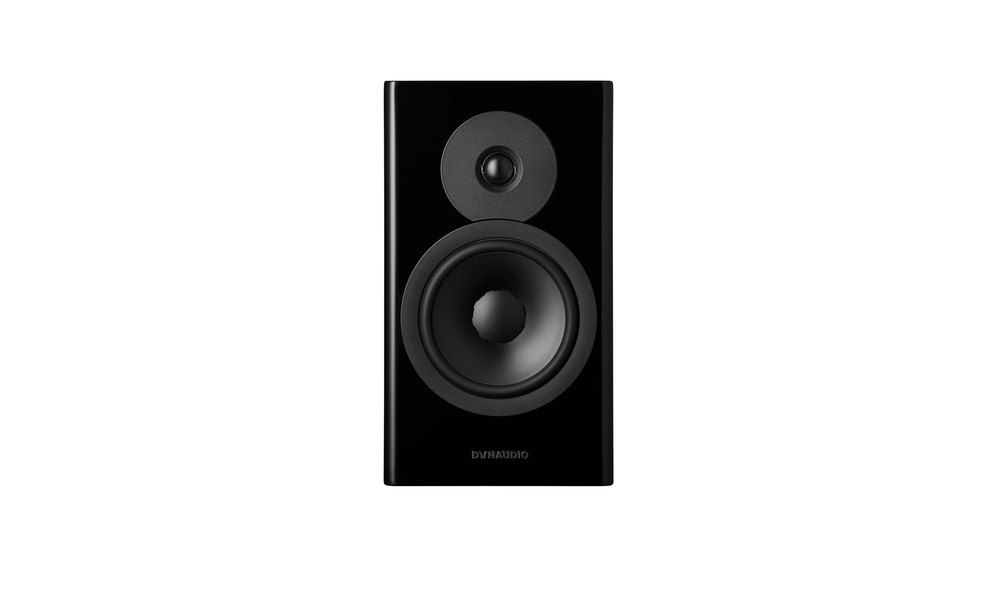
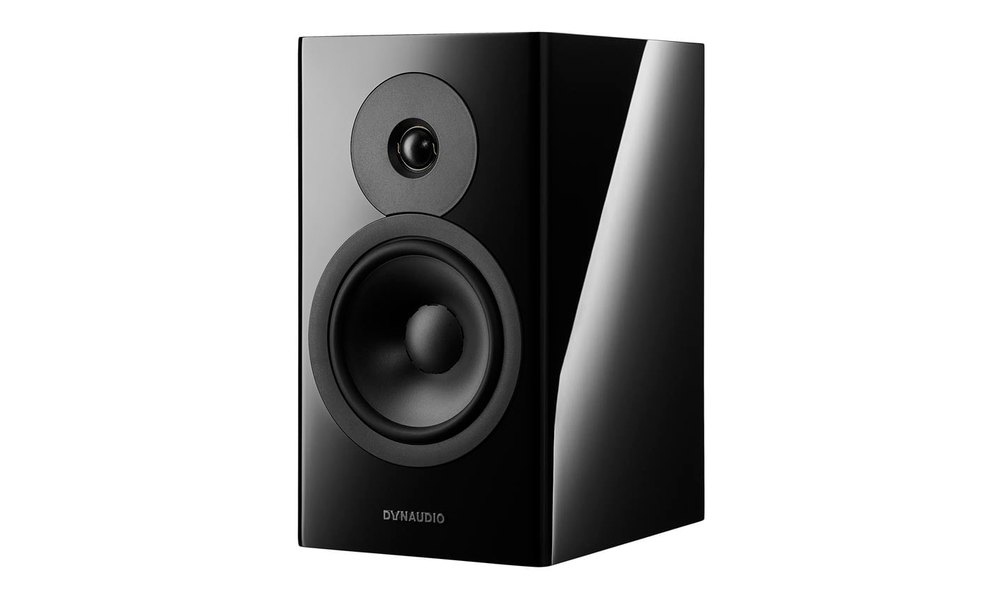
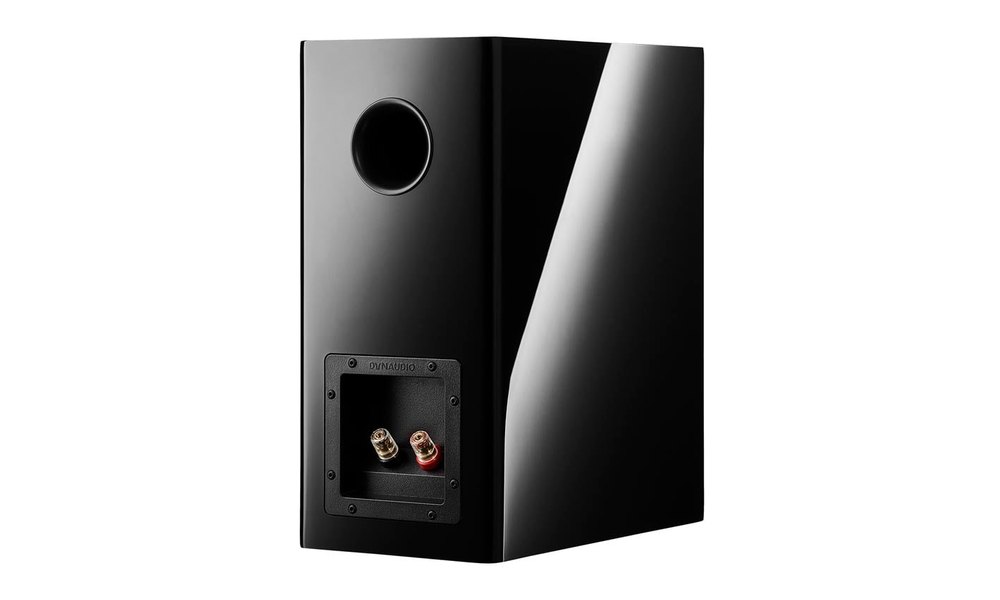
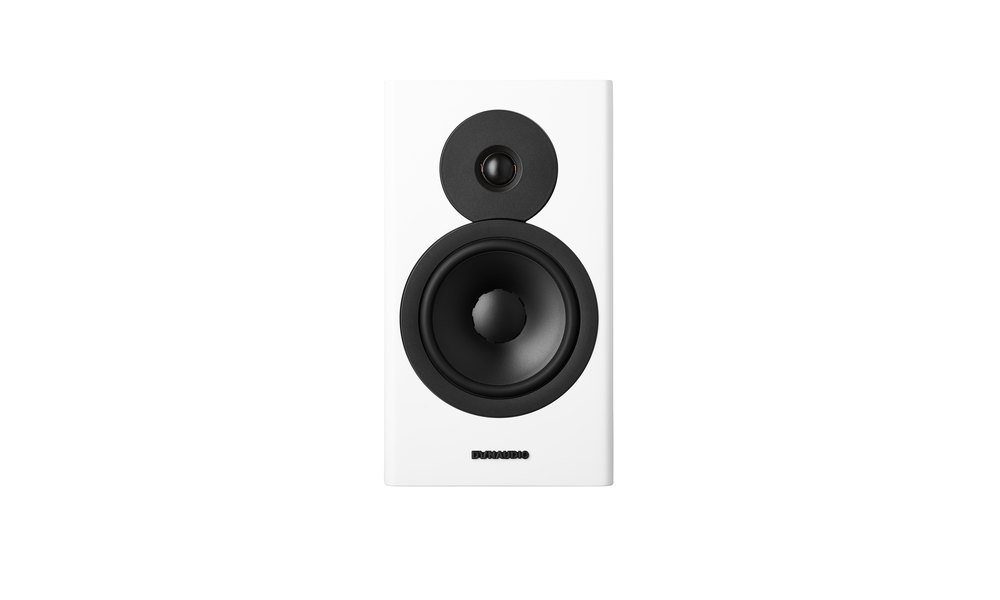
Summary
The Evoke 20 is Dynaudio's larger shelf of the Evoke series: 18 cm deep midrange, 28 mm tweeter, 86 dB, 6 Ω, power handling 180 W (IEC), 40 Hz–23 kHz. According to Dynaudio, the pair costs about €2,150. A compact bookshelf speaker for stand placement with an undemanding 6-Ω load.
Assumptions
- Price per pair Sept 2026
- Stands available
- Amp with solid Watt reserves
- No measurements or listening tests of our own
Specs (public / manufacturer)
| Type | 2-way compact speaker · Bass-reflex |
|---|---|
| Sensitivity | 86 dB (2.83 V/1 m) |
| Impedance | 6 Ω nominal |
| Power handling | 180 W (IEC) |
| Frequency range | 40 Hz–23 kHz (±3 dB) |
| Chassis | 18 cm bass midrange driver · 28 mm tweeter |
| Price guide | approx. €2,150/pair · Sept 2026 |
Manufacturer specifications (Dynaudio)
| Type | 2-way bookshelf speaker · bass reflex (rear port) |
|---|---|
| Drivers | 28 mm Cerotar soft dome with Hexis · 18 cm MSP mid/bass |
| Frequency response | 40 Hz–23 kHz (±3 dB) |
| Sensitivity | 86 dB (2.83 V/1 m) |
| Impedance | 6 Ω |
| Power handling | 180 W (IEC long-term) |
| Crossover frequency | 3,200 Hz · 2nd order |
| Dimensions | 215 × 380 × 307 mm (W × H × D); with grille D 317 mm |
| Weight | 9.9 kg |
Source: Dynaudio – official specifications · As of 16 October 2026 · subject to change by the manufacturer
Matching tips
- Suits: Expert amps with solid 50–120 W
- Suits: placement on stands
- Suits: Medium rooms
- Less suited: Very small amps
- Less suited: If you expect floorstanding speaker bass
- Less suited: sensitivity fans
Vinyl BotPro Index: 71 (Expert 70–84) · Label: AI research · Sept 2026 · All information is provided without guarantee; prices change and manufacturer specifications may differ.
Brand and concept
Dynaudio is a Danish loudspeaker maker that has developed almost all of its drivers in-house since it was founded. The Evoke series sits between the more affordable Emit range and the Contour series, bringing technology from pricier models, above all the Cerotar tweeter and MSP cones, into a more accessible cabinet. The Evoke 20 is the larger of the two standmounts; below it sits the Evoke 10, above it the Evoke 30 and Evoke 50 floorstanders. Compared with the Evoke 10, it has a larger 18 cm mid/bass driver, a bigger cabinet and higher sensitivity (86 instead of 84 dB). At around €2,150 a pair it belongs to the Expert tier of bookshelf speakers.
Technology explained
Cerotar tweeter with Hexis
The 28 mm tweeter is a fabric dome Dynaudio calls Cerotar. A special coating stiffens the material without losing the natural damping of the fabric. Behind the dome sits the Hexis insert, a small shaped body that breaks up resonances and air flow in the chamber behind the diaphragm. Without it, the rear wave could act back on the dome and colour the treble. Dynaudio uses the same technology in pricier ranges.
MSP mid/bass driver
The 18 cm mid/bass driver uses a cone made of MSP (magnesium silicate polymer), a material Dynaudio has used for decades and that balances stiffness, low mass and internal damping. The cone is moulded in one piece including the dust cap; the grooves around the cap are stiffening ribs, not openings. The voice coil is wound from aluminium wire, lighter than copper, to reduce moving mass.
Crossover and cabinet
The crossover works at 3,200 Hz with second-order filters, a good compromise that separates the drivers steeply enough while affecting timing less than steeper filters. The bass port is on the rear. The cabinet measures 215 × 380 × 307 mm and weighs 9.9 kg. Dynaudio specifies 40 Hz–23 kHz (±3 dB) and 180 W long-term power handling (IEC).
What the specifications mean
86 dB sensitivity is normal for a standmount but not high: with the same amplifier power, the Evoke 20 plays about 2 dB quieter than an 88 dB speaker. The 6 Ω nominal impedance is uncritical but draws a little more current than 8 Ω. The 180 W figure describes how much continuous power the drivers tolerate, not how much they need. In practice, a capable amplifier with headroom keeps peaks clean.
What international reviews say
Best of High End scores the Evoke 20 at 9.0 out of 10. It highlights a neutral, even-handed balance that avoids bright or boomy tendencies, an unfatiguing sound over long sessions and good handling of loud levels. As limitations it names a cabinet that is not completely inert, the need for good stands and a powerful amplifier, and missing deep bass that calls for a subwoofer.
Stereo Index compares it with the smaller Evoke 10 and describes it as more powerful and voluminous with a similar basic character; timbres remain natural and detailed, and the speaker reacts clearly to changes elsewhere in the chain. Together, the reviews describe a neutral standmount suited to long listening that benefits from good electronics. We have not run our own listening or measurement tests; this assessment is based on these sources and the manufacturer data.
The Evoke family
The range includes two standmounts (Evoke 10 and 20), two floorstanders (Evoke 30 and 50) and a centre speaker. All share the Cerotar tweeter with Hexis and MSP mid/bass drivers; the floorstanders add cone area and bass extension. That makes it easy to build a multichannel system from one series later, and stereo listeners with larger rooms find a direct step up in the Evoke 30 or 50.
Choosing stands
Reviewers stress how much good stands matter. Height: the tweeter should be at seated ear height, around 90 to 100 cm above the floor for typical sofas. Rigidity: a stand that wobbles smears bass and imaging; solid stands with a large base plate or sand-filled columns beat light designs. Coupling: small rubber or felt pads between speaker and stand stop slipping, while spikes or damping feet on the floor give a firm footing. At 9.9 kg, the top plate should comfortably hold the 215 × 307 mm footprint.
Placement and amplification
With a rear port, the Evoke 20 needs space from the back wall; 30 to 60 cm is a good starting point. Slight toe-in stabilises the centre image. In very small rooms the bass can get too full close to the wall; more distance helps. For amplification, headroom matters. For a typical 20 to 25 m² room, integrated amps with about 60 to 100 W into 8 Ω are a solid base, for example the NAD C 368, the Rega Elicit MK5 with built-in MM phono, or the streaming-capable Hegel H190v. The amp should be stable into 6 Ω; a very bright-sounding amplifier is best avoided because the speaker reflects changes in the chain clearly. More options are in the amplifier top list.
Example amplifier pairings by room size
In a small room of around 15 m² at moderate levels, a compact integrated amp with 40 to 50 W into 8 Ω is usually sufficient. For 20 to 25 m² and occasional loud listening, 60 to 100 W gives comfortable headroom. Beyond that, or for large-scale orchestral music at realistic levels, the Evoke 20 reaches its natural limits as a two-way standmount, and a floorstander such as the Evoke 30 or a subwoofer is the more sensible upgrade than ever more amplifier power.
Room and fine-tuning
The Evoke 20 shines in rooms up to about 25 m². A rug between speakers and seat and soft surfaces on the side walls reduce reflections that blur imaging. For bass, move the speakers in small steps and listen to a familiar recording with an even bass line; the position where individual notes stand out least is usually right. For organ, electronic music or films, add a subwoofer from the active subwoofer list.
The Evoke 20 in a vinyl system
For record listeners, the Evoke 20 pairs well with Premium and Expert tier decks. Because it reveals differences in the chain, careful cartridge alignment and a quiet phono stage pay off. Keep the turntable off the speaker furniture and away from the rear port so bass energy does not reach the stylus. Matching decks are in the turntable top list.
Strengths and limits at a glance
- Strength: neutral, balanced voicing suited to long sessions.
- Strength: uncritical 6 Ω load and good level handling.
- Strength: driver technology from pricier Dynaudio ranges.
- Limit: needs solid stands and a capable amplifier.
- Limit: no deepest bass; cabinet not completely inert.
Who it suits
The Evoke 20 suits listeners with small to medium rooms who want a neutral, unobtrusive standmount and own a capable amplifier. It is less suited to very large rooms, to listeners expecting deep bass without a sub, and to weak amplifiers.
Compared with alternatives
- Dynaudio Contour 20i: the bigger sibling from the next series up, with a more elaborate cabinet.
- Bowers & Wilkins 705 S3: pricier, with tweeter-on-top design and its own voicing.
- KEF R3 Meta: three-way standmount with a coaxial driver.
All models with index and price are in the bookshelf speaker top list.
More questions about the Dynaudio Evoke 20
Evoke 10 or Evoke 20?
The Evoke 20 has the larger mid/bass driver and 2 dB more sensitivity; it sounds fuller but needs more space. For small rooms or desks, the Evoke 10 is the more compact choice.
Evoke 20 or Contour 20i?
The Contour 20i is the next series up with a more elaborate cabinet and a higher price. The Evoke 20 offers the same basic character for considerably less.
Can it go on a shelf or sideboard?
Possible but not ideal: with a rear port, bass on a shelf often booms and imaging suffers. If stands are impossible, leave some space to the back wall and keep the tweeter at ear height.
Do I need a subwoofer?
For most music, no. If you want the bottom octave at full weight, for organ, electronic music or films, a subwoofer fills it in. Set its crossover low, around 50 to 60 Hz, so it only adds what the Evoke 20 cannot reach.
What should I check when buying used?
Inspect surrounds and tweeter domes for damage, check finishes for scratches and listen to both speakers at moderate volume. Rattles or a quieter tweeter on one side point to faulty drivers. Ask for the original packaging if the speakers need to be shipped.
Verdict
The Evoke 20 brings Dynaudio's Cerotar tweeter and MSP mid/bass driver into a compact cabinet. International reviewers praise its neutral, unfatiguing voicing, while naming a capable amplifier and good stands as prerequisites. For medium-sized rooms it is a balanced choice in the Expert tier.
Read more: best bookshelf speakers 2026 · Improve your hi-fi system · What is hi-fi?