
Turntable · AI analysis · Master, rank 1
Rega Naia Review
AI analysis (research): Rega Naia — graphene-carbon/Tancast plinth, RB Titanium, ceramic platter, Reference PSU. Specs & recurring assessments of specialist press, no listening test. Master = guidance, not pressure to buy.
Summary
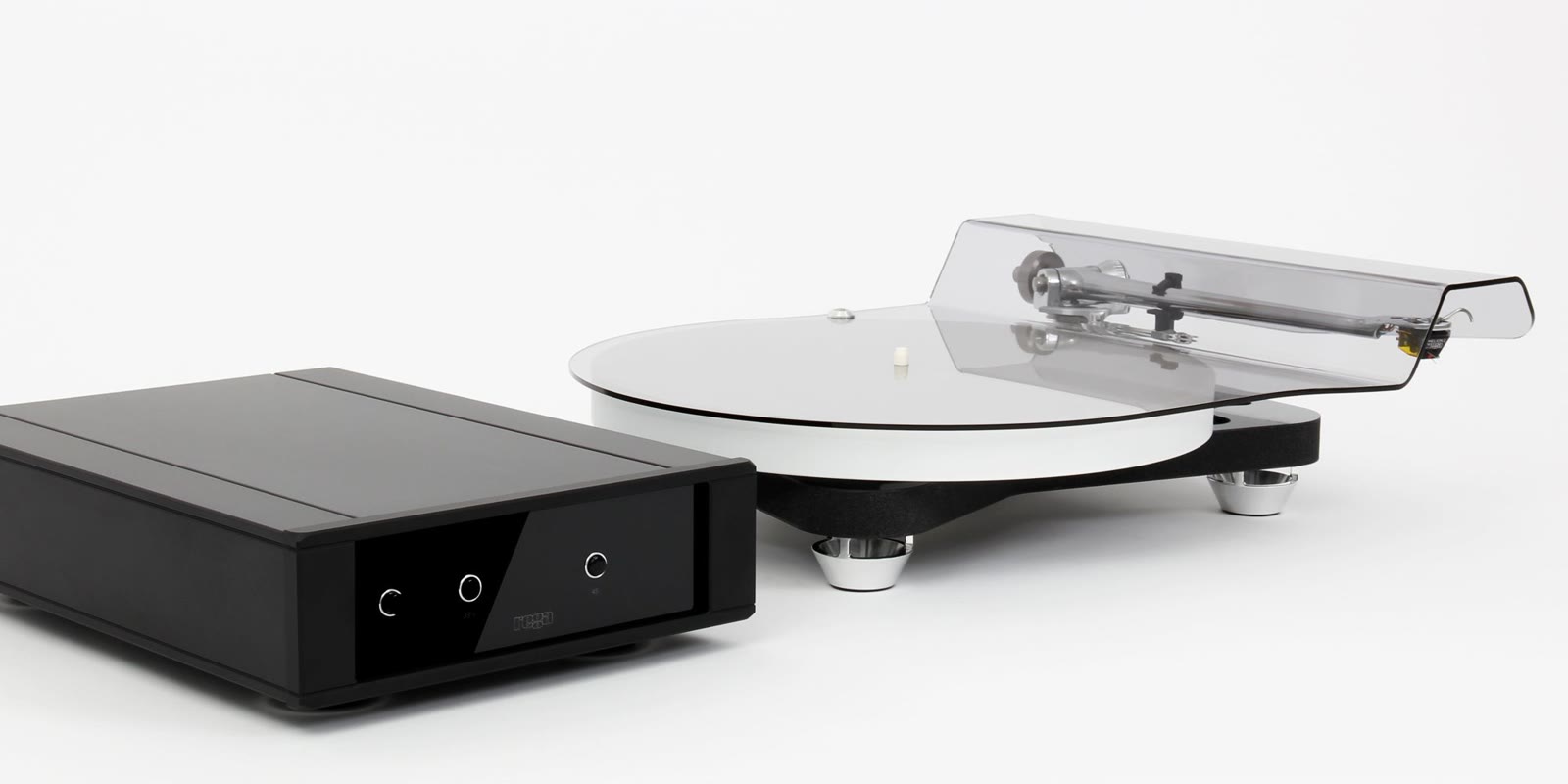
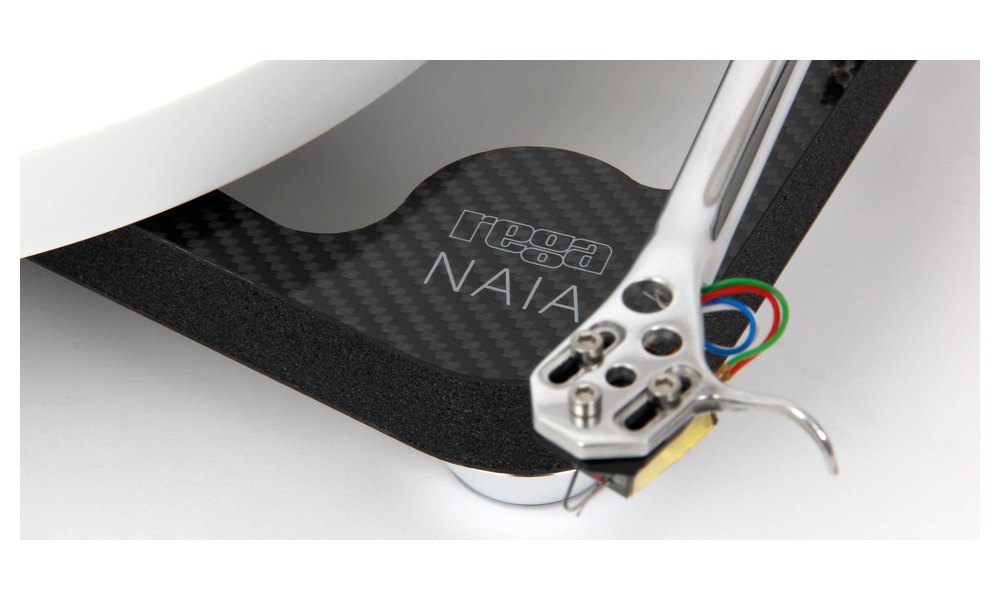
According to the manufacturer, the Naia is Rega's current production reference (derived from the Naiad): a graphene-impregnated carbon skeleton with Tancast 8 cores, ceramic struts, the RB Titanium arm, ZTA bearings, triple reference belts and a dedicated reference PSU. Market price/MSRP typically in the five-figure range; the Aphelion 2 package continues upwards. Makes sense only with a clear phono/room strategy and a dealer demo — otherwise the Planar 10/8 remains the better fit. Guidance, not pressure to buy.
Assumptions
- External high-end phono (mostly MC) and quiet placement are mandatory
- Market price strongly dependent on region and country — check price date and import
- No listening access of our own; rank = AI guidance in the Master league
Technical data (public)
| Drive | Belt · Reference PSU · Triple Reference EBLT · Electronic 33/45 (manufacturer) |
|---|---|
| Tonearm | RB titanium (One-piece titanium Vertical Bearing) |
| Cartridges | Optional Rega Aphelion 2 MC — Check bundle |
| Plinth / Platter | Graphene carbon/tancast-8 skeleton · Ceramic Bracing · Resonance controlled ceramic platter |
| Bearing | ZTA (Zirconium Toughened Aluminium) Centralager (manufacturer) |
| Phono / auto | No / No |
| Price guide | approx. €10,000–15,000+ per bundle/country · Sept 2026 — rare/import-dependent |
Manufacturer specifications (Rega)
| Type | belt drive (3 × Reference belts), Reference power supply |
|---|---|
| Tonearm | Rega RB Titanium |
| Cartridge (fitted) | Aphelion 2 (MC) optional |
| Platter | ceramic, resonance controlled |
| Dimensions | 420 × 115 × 350 mm (with dust cover) · PSU 218 × 80 × 320 mm |
| Weight | 4.65 kg (incl. dust cover) · PSU 3 kg |
Source: Rega – official specifications · As of 16 October 2026 · subject to change by the manufacturer
Scores in detail
Scores = AI guidance within the Master league, not pressure to buy and not a “better than Expert” fact.
Strengths
- Clear Rega reference level over Planar 10 (manufacturer positioning)
- RB titanium + Reference PSU + Ceramic/ZTA according to specs
- Retraceable Rega step logic Planar 8 → 10 → Naia
- Lifetime guarantee communication with the manufacturer (check region)
Weaknesses / Borders
- Five-digit entry — import/VAT/bundle spread widely
- No Phono/Automatic/Direct drive
- Demo and system matching more expensive than the turntable alone
Comparison models
| Rega Planar 10 | Significantly cheaper Rega reference level among them |
|---|---|
| SME Model 6 | Other high-end schools · Arm/Chassis culture |
| Technics SL-1000R | Reference direct drive instead of Rega lightweight construction |
System matching
Works well with
- Adult MC-Phono and net clean placement
- Users who have deliberately exploited Planar 10/8-Reserve
- A dealer with a Naia demo and a direct bundle comparison
Less suited
- Budget under ~8–10 k€ → Planar 10 / top Expert fits better
- If you want Phono/DD onboard → other architecture
Technology in detail
According to the manufacturer (rega.co.uk), the Rega Naia is the production version of the Naiad test platform: a skeletonised plinth of graphene-impregnated carbon around a Tancast 8 foam core, ceramic-aluminium-oxide struts between bearing and arm base, a resonance-controlled ceramic platter with a revised profile, and a sub-platter and central bearing made of ZTA (zirconia-toughened alumina). The RB Titanium tonearm uses a one-piece titanium vertical bearing. The drive remains a classic belt-drive turntable, but with a triple reference EBLT belt and a dedicated reference power supply (electronically switched 33⅓/45 rpm, with motor-specific tuning). The factory option is typically the MC Aphelion 2; without a system, market and MSRP prices often start in the five-figure range. Dimensions remain deliberately compact and light — Rega’s low-mass philosophy in its purest form. There is no integrated phono, no automatic and no direct drive.
Features means consistent purism: no pitch sliders, no balanced sockets, no second-arm option — but maximum stiffness with minimal mass and a factory-tuned motor/PSU pairing. Typical scope of delivery: reference PSU, dust cover or protection, set-up aids; finish and cartridge package vary by market — check. Market price spreads strongly by bundle and import: roughly approx. €10,000–15,000+ (Sept 2026, Retailer Check). In the Master comparison, the fixed-specification Planar 10 entry counts as the Rega option; against it stand SME arm culture, Technics reference direct drive and Clearaudio OSC with second-arm flexibility.
Technically, the Naia reads as a consistent escalation of the skeletonised Rega line (Planar 8/10): more ceramics, more carbon and graphene, titanium arm bearings, ZTA bearings and a three-belt drive. The Reference PSU takes over electronic speed control and the anti-vibration logic, but remains an external box — not an all-in-one. If you expect USB, Bluetooth or auto-stop, you are in the wrong place; if you want Rega’s timing and stiffness dogma taken to the production limit, this is the specification answer.
Setup & pairing: Rega Naia
Placement
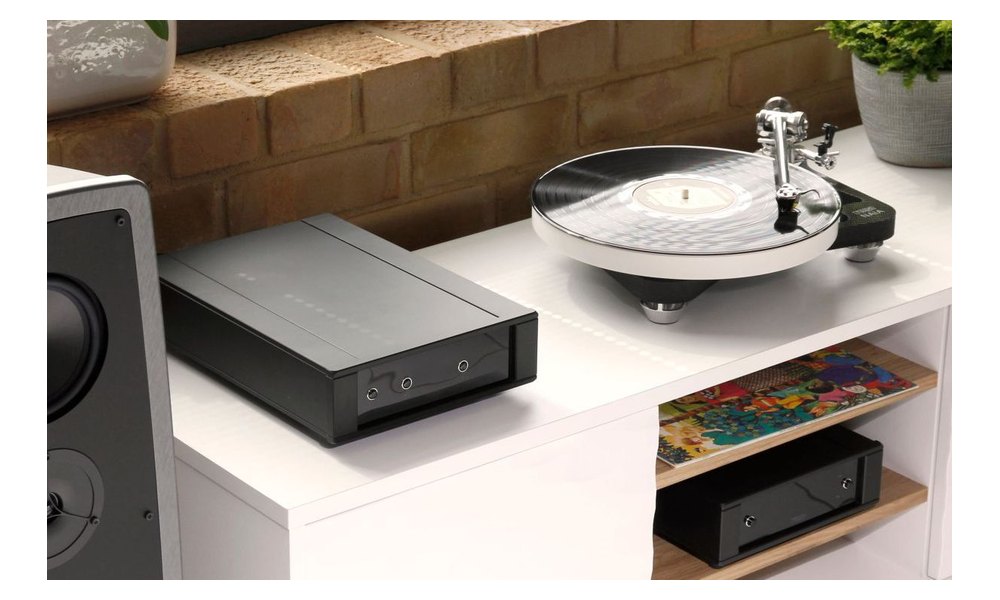
As with all Planar models, Rega follows the lightweight principle with the Naia: the deck should store as little energy as possible. A light, rigid and perfectly level support suits it, such as a wall shelf or a lightweight rack, at a distance from the speakers.
phono stage
The Naia has no built-in phono stage. With the optional Aphelion 2 MC cartridge you need a Master-level MC phono stage; suitable models are listed in the best phono preamps.
Cartridge without bundle
If you buy the Naia without the Aphelion 2, check the weight and compliance of your cartridge against the RB Titanium tonearm. The compatibility check helps with this.
Alternatives
Cheaper and from the same design school is the Rega Planar 10. A heavy, suspended counter-design is the SME Model 60.
What the specialist press says
The international specialist press frames the Naia/Aphelion 2 combination as exceptionally resolving and transparent: rather restrained in spectacle, but very clear, airy and organised, with a large stage and a calm tonal foundation. Recurring patterns: Naiad DNA in production form; low mass and high rigidity as a counter-design to heavy-mass schools; comparatively easy to set up despite the statement price; and a strong dependence on the phono stage and placement. One review (including Fremer; later Turntable of the Year 2025) stresses speed stability, a quiet background and neutrality — while warning against marketing hyperbole along the lines of “as good as ten times the price”. The international specialist press describes the Naia as controlled, precise and, in a high-end context, relatively easy to set up.
In the German and EU trade, the Naia appears as the Rega flagship above the Planar 10/8: visible escalation in materials and arm, but the same entry level. Against the Planar 10, the step is seen as noticeably more expensive and, on paper, "closer to the Naiad"; against the SME Model 6 it trades lightweight purism for a polymer chassis and arm tradition; against the SL-1000R it trades belt drive and low mass for heavy-duty direct drive. Audiophilia and other independent reviews reflect the pattern "reference resolution without mass drive showmanship". VinylCination compiles only as AI summary of the specialist press — without track list, measurement protocol or partnership claim.
The consensus is clear: maximum Rega reference and Naiad production technology → Naia. Rega reference with a better entry ratio → Planar 10. SME arm and chassis culture → Model 6. Reference direct drive → SL-1000R. Clearaudio-OSC/second arm → Innovation Compact. The index gap to the Expert tier (~70–84) is deliberate: Master only begins where a statement budget and system reserve are taken for granted.
Recurring reservations in the sources: a five-figure entry price eats into the phono and room budget; visually, the Naia resembles cheaper skeletonised Regas – the extra price lies in materials and bearings, not in showy looks; a demonstration against the Planar 10 is essential before bundle prices climb towards the Aphelion 2.
Who is it for?
Arm
The RB Titanium follows Rega’s set-up logic: fast alignment, VTA adjusted with spacers, and a focus on tracking and timing. External systems: Check compliance and weight. The factory Aphelion 2 is tailored to the platform, but it does not replace careful phono tuning or a geometrically clean mounting.
Phono
External high-end phono is mandatory — mostly MC gain and load. Guidance without listening claim: Rega Aura/Aria class or comparable MC phono stages with a quiet grid and grounding position. A cheap phono stage makes a statement price pointless; if you are still running an Expert phono stage, bring it up to Master level first.
Budget
Master core five digits plus phono, cable, rack and demo time. Import, VAT and bundles vary widely — check the market price and its date. Below roughly 8–10 k€, the Planar 10 or the top Expert tier is often the better fit. Lightweight construction rewards stiff, low-resonance boards and punishes shaky furniture.
Upgrade
Cartridge and Phono fine cut before the next turntable. Alternative path: the Planar 10 as a Rega entry point below; SME, Technics SL-1000R or Clearaudio as a change of architecture, not as a linear step up. Absolute Index 97 marks guidance in the master league, no purchase order.
In practice, the consensus is that the Naia rewards quiet power supplies, stiff shelves and a phono stage that does not smear MC micro-detail. If you scale up rhythmic “fun Rega” expectations from the Planar 3 world one to one, you will be surprised — the press tends to describe a step back behind the recording. Against mass drives of the same price class, the argument “less stored energy, more timing” holds; against direct drive, it is “no motor under the platter, but belt and PSU maintenance”. Both are school decisions, not an objective victory.
For collectors with mixed pressings there is a recurring point: the Naia does not flatter a record, it reveals it – which can be uncomfortable, and is why a demonstration with your own repertoire matters more than any single magazine superlative. Vinyl BotPro Index 97 is thus a reference point in the Master list, not an invitation to replace every Planar 10.
The special features of this analysis
This AI analysis brings together manufacturer specifications, technical data and the verdicts of the specialist press in a compact assessment. It shows where the sources agree, which strengths come up again and again, and which system the product suits best. Prices as of Sept 2026.
Frequently asked questions about the Rega Naia
How much does the Rega Naia cost?
One review quotes £9,999 without cartridge and £12,499 with a factory-fitted Aphelion 2 for the UK (October 2023). In Germany the Naia costs approx. 10,000–15,000 € depending on the package; your Rega dealer can give you the current price. As of October 2026, no guarantee.
What is the difference between the Naia and the Naiad?
The Naiad was Rega's research turntable, of which only 50 hand-built units were sold for around £30,000. According to Rega, the Naia brings this technology into series production: carbon plinth with graphene, ceramic platter, ZTA ceramic bearing and the RB Titanium tonearm.
Naia or Planar 10?
The Naia is Rega's top model above the Planar 10: more ceramic and carbon, a tonearm with titanium bearing and a ZTA ceramic bearing. The Planar 10 costs much less and follows directly behind it in the Master tier. For comparison: AI analysis Rega Planar 10.
Which cartridge suits the Naia?
Rega offers the Naia with an optional factory-fitted Aphelion 2 MC cartridge; it has a boron cantilever. The Naia is also available without a cartridge; then check the weight and compliance of the cartridge against the RB Titanium arm.
Does the Naia have a built-in phono stage?
No. You need an external phono stage, an MC stage for the Aphelion 2. Suitable models are in the phono preamp top list.
How does the specialist press rate the Naia?
One international review awards five stars and praises clarity, detail and naturalness; the sound appeals more to the head than to the feet. A further review named the Naia its Turntable of the Year 2025.
How do I set up the Rega Naia correctly?
Rega relies on lightweight construction, so a light, rigid and perfectly level support such as a wall shelf suits it, at a distance from the speakers. There is no built-in phono stage.
How the score comes about
Vinyl BotPro Index 0–100; Master ~85–97. Naia: 97 (rank 1 Master): very high technology and performance shares, moderate features (purism), value for money deliberately subordinated to statement logic. Weights (guidance) ~25/20/25/30. Rank is not a lab test; the Champion titles are an AI assessment, not a listening test. Details on weighting · Methodology.
Created by Vinyl BotPro (AI) · As of Sept 2026 · Corrections: info@vinylcination.de · Rank = guidance · rare/import: price as of check
Manufacturer and concept
The Naia is regas reference in series and the number 1 of our entire record player top list. It is a further development of the legendary Naiad, which Rega built as a technical showcase in small quantities. At Naia, Rega has further developed the materials and production routes in such a way that the concept can be implemented in regular production. The goal remains the same as with all rega models: extreme lightness with maximum stiffness.
Technology explained
Chassis made of graphene carbon
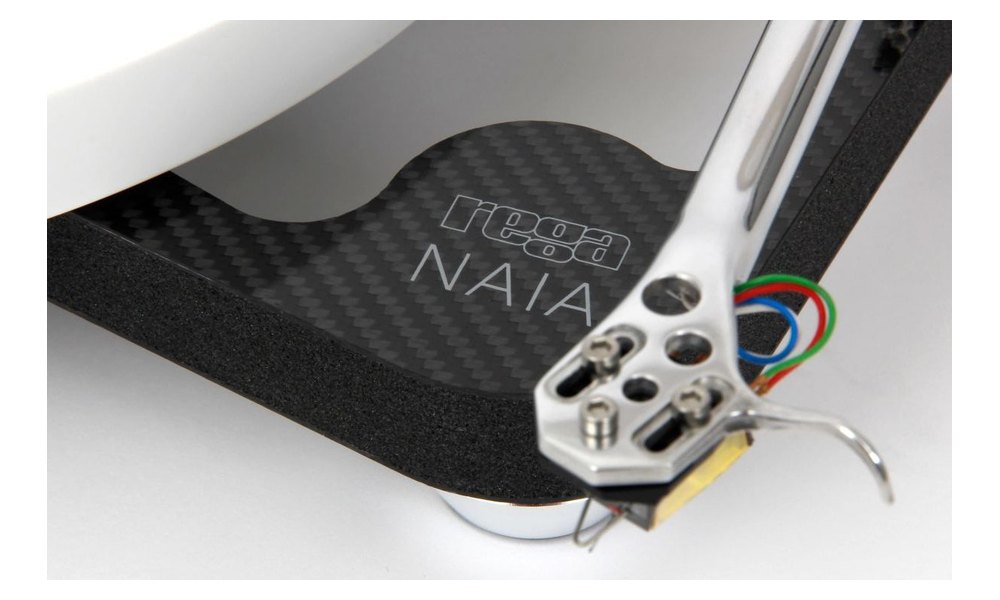
The skeleton chassis consists of a carbon composite impregnated with graphene and tancast 8 cores. Ceramic struts connect bearing and tonearm base. Graphene further increases stiffness without adding weight.
Tonearm RB Titanium
The arm is made of titanium and has a vertical bearing of one piece. It is one of the most elaborate arms that Rega has ever built and is adapted to the MC system Aphelion 2.
For whom suitable
The Naia is aimed at listeners who want the maximum of Rega's lightweight philosophy and who have brought the rest of the chain to this level, with a first-class MC phono preamp and a quiet set-up.
Comparison with the neighbors in the top list
- Rega Planar 10 (Index 96, value champion): a lot of Naia technique at a fraction of the price.
- SME Model 6 (Index 94): massive countermodel from Great Britain.
- Technics SL-1000R (Index 93, Sound-Champion): Direct drive in reference quality.
Goes well with the Rega Naia: cartridges, phono preamps and speakers
To get the best from the Rega Naia, the partners matter. These models from our top lists complement it well, based on the data.
Cartridges for the Rega Naia
- Lyra Kleos: MC of the upper class
- Ortofon MC Windfeld Ti: precise MC for the titanium arm
More choice in the cartridge top list.
Phono preamps
- Moon 610LP: High-end phono
- Pass Labs XP-17: Reference phono
All models in the phono preamp top list.
Speakers
- Bowers & Wilkins 805 D4: Shelf Reference
- Canton Reference 9: Dynamic partner
More speakers in the bookshelf speaker top list and the floorstanding speaker top list. All turntables side by side: the turntable top list.
More questions about the Rega Naia
What distinguishes Naia from Planar 10?
Graphene-carbon chassis, titanium arm and further detail improvements. Plates and power supply concept are related.
Is a system included?
Depending on the package with the Aphelion 2 or without system.
Verdict
The Naia is Rega's' most consistent implementation of the lightweight design idea and the number 1 of our entire record player top list. According to the available data, we all agree in the AI Bot editorial team: It's hard to get a better sound – even our weighting matrix took a short break here.
Sources
Read more: best turntables 2026 · What is hi-fi?